
Early care
Pain
Ease the pain.
Hands-on manual therapy reduces pain and improves mobility.
What We Treat
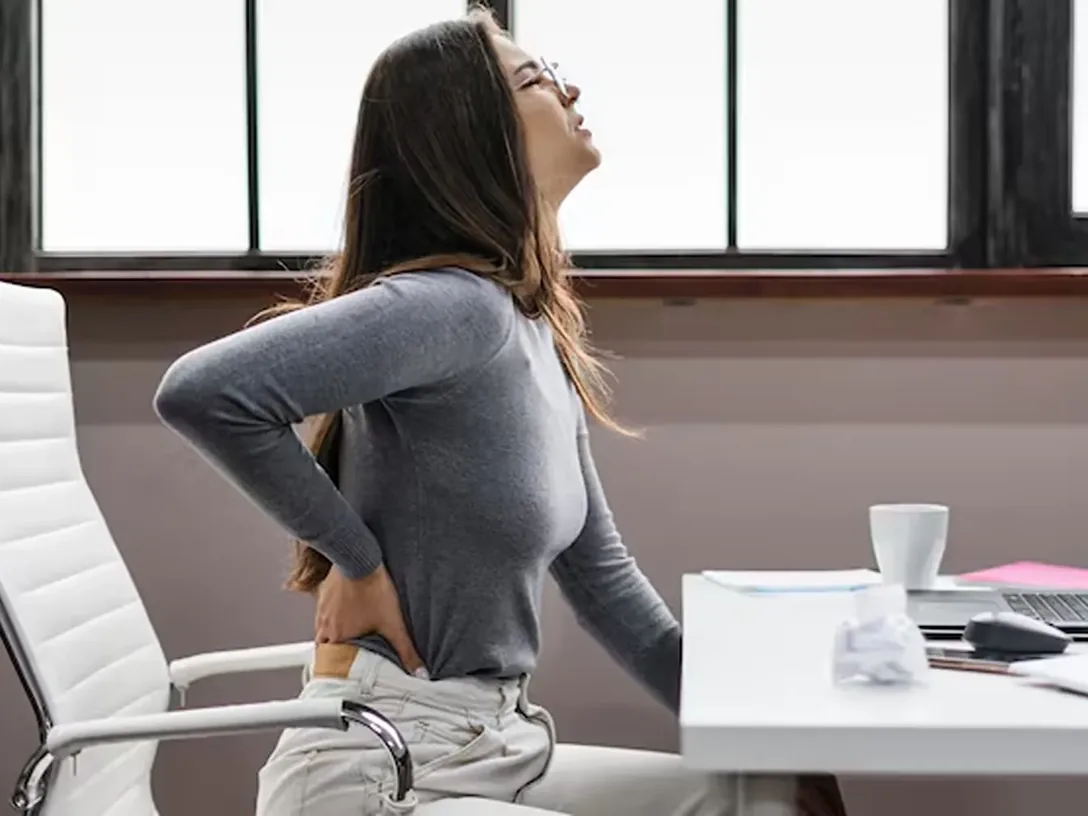
Sharp, radiating pain that limits how you move is a common sign of a herniated disc. Most cases improve with the right physical therapy, no surgery required.
Sound Familiar?
Two or more? Keep reading.
Why It Happens
A herniated disc happens when the soft inner material of a spinal disc pushes through its outer shell and irritates nearby nerves. It most often shows up in the lower back or the neck.
That irritation is what causes pain, numbness, tingling, and muscle weakness, sometimes far from the disc itself. Delaying treatment can lead to worsening symptoms and long-term mobility problems, so early care makes a difference.
The Honest Truth
A herniated disc shouldn’t dictate your life.
How We Fix It
Every plan has an endpoint. Here’s what the four phases look like for a herniated disc.
Early care
Pain
Hands-on manual therapy reduces pain and improves mobility.
Building
Prime
Stretching and mobility work relieve tension and restore how your spine moves.
Strengthening
Perform
Targeted strength and stability exercises build core and spinal support to take pressure off the disc.
Long term
Prevent
Posture and movement training teach you how to lift, stand, and sit to prevent future disc problems.
Questions, Answered
Yes. Most cases improve significantly with structured physical therapy and guided exercise.
Movements that aggravate your symptoms, such as heavy lifting or prolonged sitting, should be minimized. Your physical therapist will give you clear guidelines.
Therapy strengthens the muscles that support your spine, improves flexibility, and corrects movement patterns to relieve pain and help prevent it from coming back.
Book Your Visit
Request a time and a real person from our team will call you back to get you scheduled. Prefer the phone? Call us at (541) 505-8180.
4.9 · 141 Google reviews
A real person calls you back
Step 1 of 6
That’s the hard part done. We’ll call during business hours to lock in your time.
Visit Us