
Early rehab
Pain
Settle pain and swelling.
We calm the knee down and restore basic motion, whether you’re fresh out of surgery or starting non-surgical rehab.
What We Treat
Pain, swelling, and a knee you can’t quite trust. Whether you’re headed for surgery or choosing rehab without it, the right plan gets your stability back.
Sound Familiar?
Two or more? Keep reading.
Why It Happens
ACL injuries are common in high-impact sports and active lifestyles. Plenty of people can still walk normally after a tear. The trouble shows up when you pivot, stop suddenly, or move side to side, and the knee has nothing holding it steady.
Left untreated, that instability tends to snowball. The joint takes extra wear, the muscles around it weaken, and the risk of arthritis and chronic pain climbs. Many people quietly cut back their activity out of fear of re-injury, which makes the knee even less ready for the next demand.
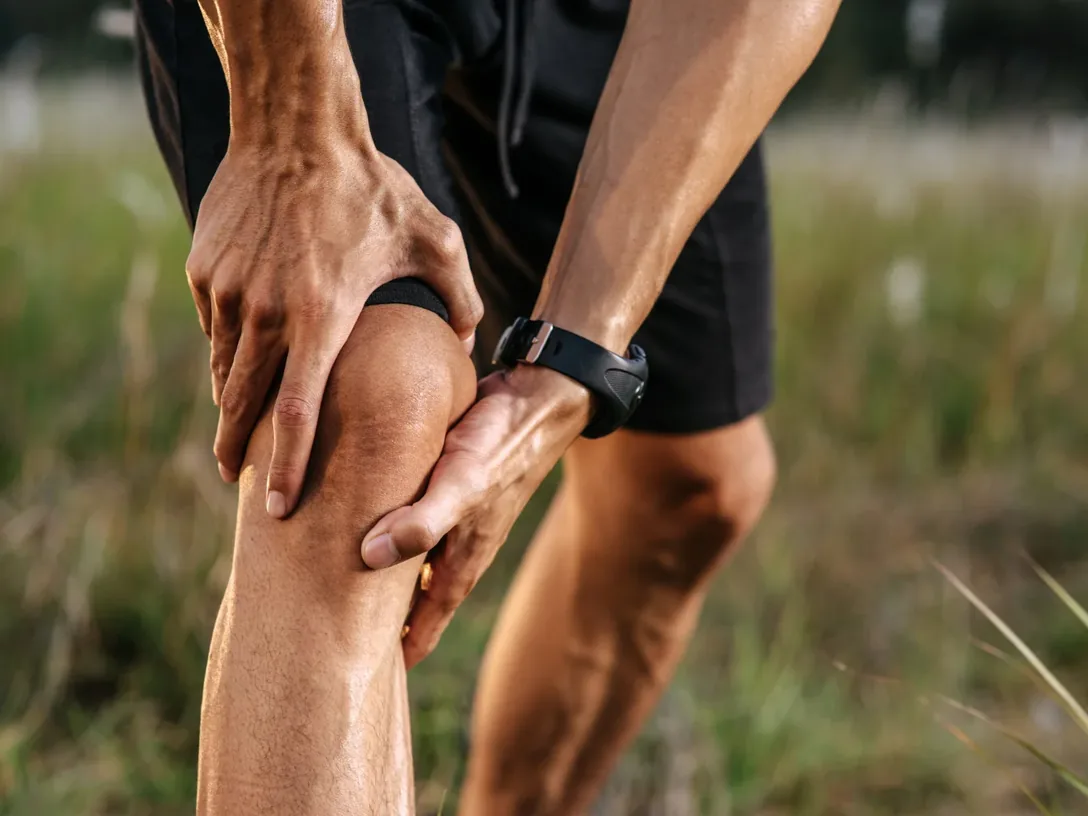
The Honest Truth
An ACL tear doesn’t have to define your future. Early care leads to better outcomes.
How We Fix It
Surgical or non-surgical, every plan has an endpoint. Here’s what the four phases look like for an ACL tear.
Early rehab
Pain
We calm the knee down and restore basic motion, whether you’re fresh out of surgery or starting non-surgical rehab.
Building
Prime
Strength training, mobility work, and neuromuscular re-education retrain the muscles that keep your knee stable.
Return to activity
Perform
Objective testing confirms your knee is stable, strong, and ready before you go back to cutting, jumping, and pivoting.
Long term
Prevent
Ongoing monitoring and periodic rehab tune-ups keep the joint strong and help prevent the next injury.
Questions, Answered
Partial tears may respond to rehabilitation, but complete ruptures typically do not heal on their own. Without surgical reconstruction, long-term instability can lead to further joint deterioration. Your physical therapist will help you understand your options.
Many people can walk or even jog with a torn ACL, but pivoting and sudden changes in direction often cause instability and buckling.
Surgical recovery typically takes 9 to 12 months for a full return to sports. Non-surgical timelines depend on your knee’s stability and how your rehabilitation progresses.
Book Your Visit
Request a time and a real person from our team will call you back to get you scheduled. Prefer the phone? Call us at (541) 505-8180.
4.9 · 141 Google reviews
A real person calls you back
Step 1 of 6
That’s the hard part done. We’ll call during business hours to lock in your time.
Visit Us